
Why Preparation Matters
A Case Doesn't Become Trial-Ready the Week Before Trial. It Becomes Trial-Ready From Day One.
Many personal injury cases resolve without ever reaching a jury. That can create the impression that trial preparation only matters if a case is actually tried.
In my experience, the opposite is true. The strength of a case is often determined long before anyone steps into a courtroom. Every decision—from preserving evidence and taking depositions to working with experts and developing a persuasive case theory—affects the outcome.
Preparation is not simply what happens before trial.
Preparation is the strategy that guides the entire case.
Every Decision Shapes the Case
“A lawsuit is a series of decisions.”
- 01What evidence will matter six months from now?
- 02Which experts should be retained?
- 03What defenses is the other side likely to raise?
- 04How will a jury understand this case?
Those questions should shape the case from the beginning, not after discovery is complete.
I.
Preparation Creates Better Opportunities
A well-prepared case does not always go to trial. In fact, many do not.
But careful preparation creates options. It strengthens negotiations, allows clients to make informed decisions about settlement, and ensures the case is ready if trial becomes necessary.
Whether a case settles or proceeds to verdict, preparation creates leverage.
II.
Trial Advocacy Has Reinforced That Lesson
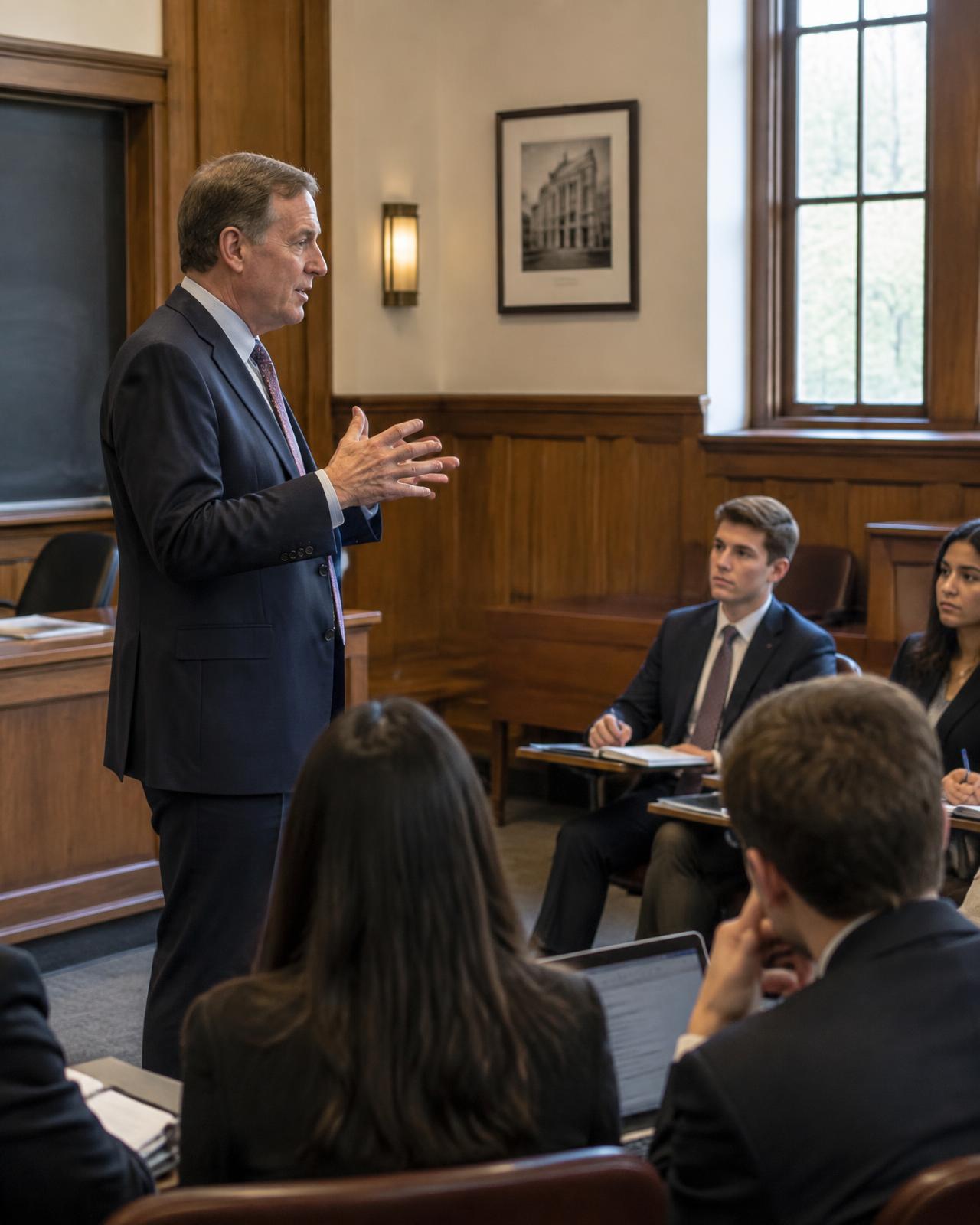
For more than fifteen years, I have taught trial advocacy while maintaining an active litigation practice. Today, I serve as the Director of Persuasion and Advocacy and Director of Mock Trial Teams at Seton Hall Law School. I previously served as Director of Trial Advocacy at the University of the Pacific McGeorge School of Law and teach practicing attorneys through the National Institute for Trial Advocacy (NITA).
Teaching advocacy has reinforced what years of trying cases have taught me: successful trial lawyers don't simply react to the facts. They organize them, challenge their own assumptions, and develop a theory that explains not only what happened, but why it matters.
Those same principles guide every case I handle.
III.
Every Case Has a Story
Trials are not won by the lawyer who talks the longest. They are won by the lawyer who helps a jury understand the evidence.
My responsibility is to identify the facts that matter, present them honestly, and build a clear, persuasive case supported by credible evidence.
IV.
Preparation Is Also About People
Behind every lawsuit is someone whose life has been changed by a serious injury.
Preparation means understanding not only the evidence, but also the person behind the case. It means listening carefully, communicating honestly, and helping clients navigate a process that is often unfamiliar and overwhelming.
My Commitment
I cannot promise a particular outcome.
What I can promise is that every case I accept will receive thoughtful preparation, honest advice, and the attention necessary to present it effectively—whether it resolves through negotiation or proceeds to trial.
Contact the Office